The Mediterranean Rebirth: Why Spanish Stars are Living Longer and Fitter
For years, the "French Paradox" dominated health headlines. But in recent rankings of global longevity and health, it is Spain that is often taking the top spot. With a culture that prioritizes fresh food, social connection, and a naturally active lifestyle, Spanish stars like Paula Echevarría and Paz Vega are becoming the new icons of sustainable, ageless fitness.
The "Mediterranean Rebirth" is more than just a diet; it is a holistic approach to life that seems to protect against the chronic stresses of the modern world. In this guide, we break down the specific habits of Spanish celebrities that you can adopt to improve your own longevity.
The Foundation: The Real Mediterranean Diet
While many people think of the Mediterranean diet as just "pasta and olive oil," the reality in Spain is much more nuanced. It is based on the principle of *kilómetro cero* (zero kilometers)eating what is grown and produced locally.
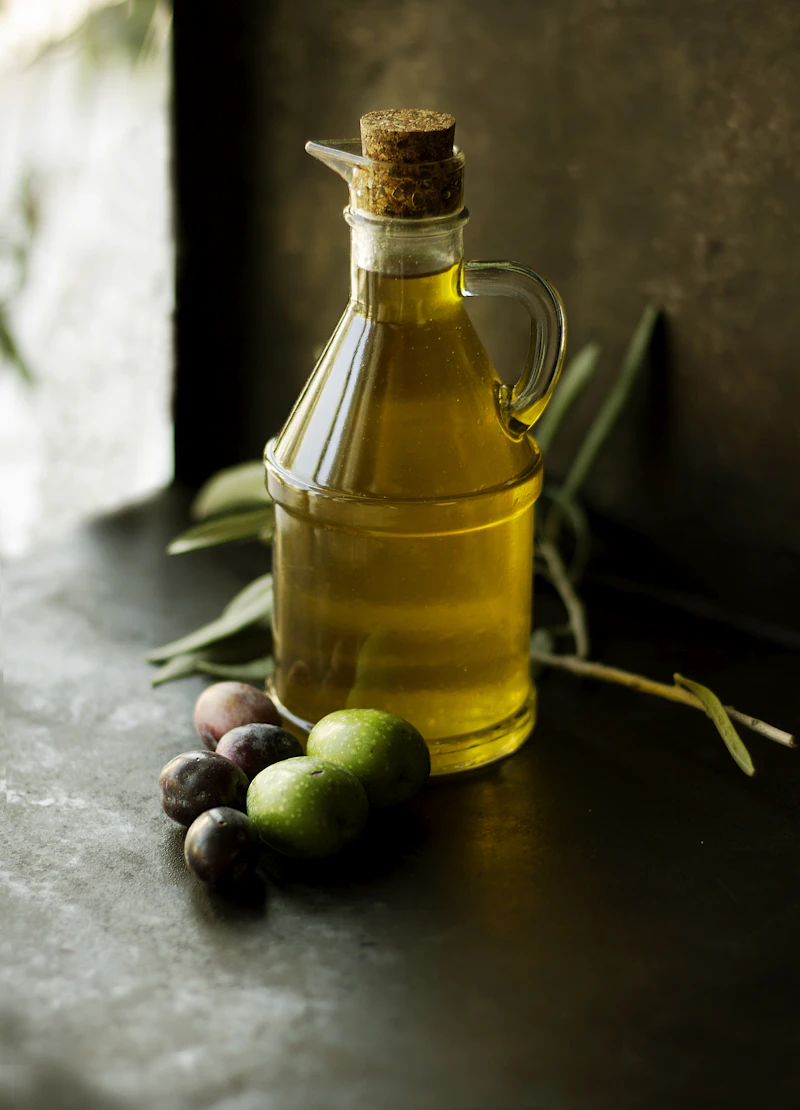
Spanish Dietary Staples: * Extra Virgin Olive Oil (Liquid Gold): Used generously on everything. It is the primary source of monounsaturated fats, which are essential for cardiovascular health and skin elasticity. * Legumes: Lentils, chickpeas, and beans are the "protein of the people." They provide a slow-release energy and are packed with fiber for gut health. * Fresh Seafood: Specifically oily fish like sardines and anchovies, which are rich in Omega-3s. * Seasonal Produce: Spanish markets are defined by what is in season right now. Paula Echevarría often shares her balanced meals that look like a celebration of Spanish produce. She avoids processed "diet" foods in favor of real, whole ingredients prepared simply.1. The Culture of "El Paseo" (The Walk)
In Spain, walking is not "exercise"it is a way of life. The tradition of *el paseo*the evening stroll with friends or familymeans that Spanish people achieve high levels of "NEAT" (Non-Exercise Activity Thermogenesis) without ever stepping foot in a gym.
This consistent, low-level activity keeps the metabolism active throughout the day and prevents the metabolic slowdown associated with sedentary office work. Paz Vega has often mentioned that her lifestyle involves a significant amount of walking, even in busy cities.
How to implement: Aim for a 20-minute walk after your largest meal of the day. This simple habit improves blood sugar regulation and aids digestion.2. The Power of the "Sobremesa"
Health isn't just about nutrients; it's about the environment in which you eat. The Spanish concept of *sobremesa* refers to the time spent at the table after a meal, talking and connecting with others.
This social connection has a profound effect on the nervous system. Eating in a relaxed, social environment keeps the body in the "parasympathetic" (rest and digest) state. This allows for better nutrient absorption and lower levels of cortisol (the stress hormone known for promoting abdominal fat storage).
3. Prioritizing Quality Sleep and the "Siesta" Logic
While the traditional mid-day nap (siesta) is less common in modern Spanish business, the philosophy behind it remains: the recognition that the body needs a period of rest during the day.
Spanish celebrities prioritize high-quality sleep. They understand that recovery is when the results of their fitness routines actually manifest. By honoring the body's natural circadian rhythms, they maintain a hormonal balance that keeps them energized and looking youthful.
4. Movement as Joy, Not a Chore
If you look at the fitness routines of [Nicole Kidman](/celebrity/nicole-kidman-fitness-diet/), you'll notice they often involve activities they genuinely enjoy. Whether it's tennis, swimming in the Mediterranean, or dancing, the focus is on "joyful movement."
Paula Echevarría, for example, is a fan of personal training that involves functional movement and variety. She keeps her body guessing and her mind engaged, which is the secret to staying consistent for decades.5. The "Natural" Beauty Esthetic
Spanish beauty standards often prioritize a "natural" lookhealthy skin, vibrant hair, and a fit but feminine physique. This reduces the stress of trying to achieve an artificial or unsustainable aesthetic. The focus is on being the best version of your real self.
This mindset, combined with the antioxidants provided by the Mediterranean diet, creates a radiance that is hard to replicate with surgery or makeup. It is a beauty that comes from health.
Summary: Your Mediterranean Lifestyle Audit
1. Oil Check: Are you using high-quality extra virgin olive oil as your primary fat? 2. Fiber Check: Are legumes and fresh vegetables appearing in your meals daily? 3. Movement Check: Can you incorporate a 20-minute *paseo* into your daily routine? 4. Community Check: Are you eating at least one meal a day with others and enjoying a "sobremesa"? 5. Stress Check: Are you allowing yourself periods of rest to balance the intensity of your work and workouts?
The "Mediterranean Rebirth" is a reminder that the best health secrets are often the most ancient ones. By adopting the Spanish approach to food, movement, and community, you can build a lifestyle that is as sustainable as it is effective.