The Barre Revolution: How Candice King and Others Sculpt a Dancer’s Body
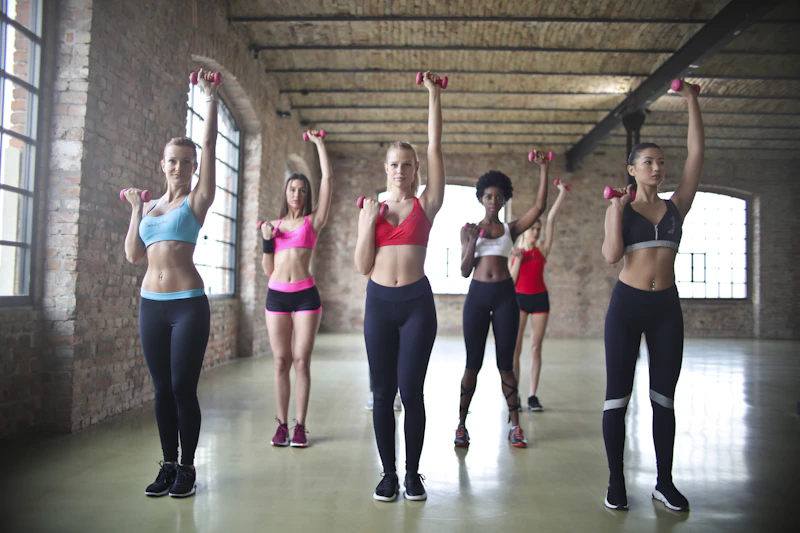
In the quest for a sculpted, "long and lean" physique, a new contender has risen to the top of the celebrity fitness charts: Barre. Combining elements of classical ballet, Pilates, and targeted strength training, Barre has become the secret weapon for women who want to build dense, functional muscle without the bulk.
Stars like Candice King and modern supermodels have embraced the "Barre Revolution," using its unique methodology to create a graceful, powerful body that looks as good in a gown as it does in motion. But what exactly is the science behind the "Barre burn," and how can you use it to transform your own fitness?
The Science of the "Micro-Movement"
Unlike traditional weight training, which involves large, compound movements (like squats or presses), Barre focuses on isometric holds and micro-movements. An isometric hold is when you hold a position without movingthink of a plank or the bottom of a squat. A micro-movement involves moving only one or two inches within a specific range of motion.
This strategy targets the "type 1" slow-twitch muscle fibers. These fibers are designed for endurance and stability. Because Barre involves high repetitions and long holds, it effectively "exhausts" the muscle into a state of growth and definition without the hypertrophic bulk often associated with lower-rep, heavy-weight training.
1. The "Tuck" and the Core
Central to the Barre method is the "neutral pelvis" or the "tuck." Most people have a slight anterior pelvic tilt (arch in the lower back) due to prolonged sitting. Barre corrective exercises involve engaging the deep abs and glutes to bring the pelvis into a neutral position.
Candice King, who has showcased incredible postpartum fitness journeys, finds that the core-intensive nature of Barre is essential for restoring stability and strength. By focusing on the deep transversus abdominis and the pelvic floor, Barre builds a "corset" of strength that supports the entire body. How to implement: Next time you are standing in line, try to find your "neutral" spine. Engage your lower abs and gently tuck your tailbone. This simple awareness is the foundation of Barre posture.2. Sculpting the "Long and Lean" Look
The "dancer's body" aesthetic is characterized by defined shoulders, lithe arms, a cinched waist, and sculpted but slender legs. Barre achieves this by working muscles in their lengthened state.
Exercises like *plies* (ballet squats) and *relevés* (heel raises) work the legs and calves through a full range of motion. By combining these with high-repetition arm movements using light weights (1-3 lbs), Barre creates a "shrink-wrapped" effect on the musclesmaking them look tight and defined.
3. Posture and the "Grace" Factor
Grace is not just about moving beautifully; it's about efficient movement. Barre emphasizes alignment from the crown of the head to the tips of the toes. The constant focus on "growing taller" and keeping the shoulders down and back translates directly into a more confident, elegant presence in daily life.
As we've seen in our [Celebrity Profiles](/celebrity-profiles/), the most admired women often have a presence that comes through their posture. Barre is one of the most effective ways to train your nervous system to maintain that alignment automatically.
4. The Mind-Body Connection and the "Shake"
If you've ever taken a Barre class, you know "the shake." This is when your muscles begin to tremble under the intensity of a hold. In Barre culture, the shake is celebratedit's the sign that you've reached "point of failure" where the muscle is forced to adapt.
Reaching this point requires significant mental focus. You have to breathe through the discomfort and maintain your form even when your body is telling you to stop. This builds a mental resilience and body awareness that is incredibly empowering.
Barre vs. Pilates: What’s the Difference?
While they share many similarities (focus on core, small movements, and logic of lengthening), they have distinct differences:
* Barre: Includes more cardiovascular elements, uses the ballet barre for balance and resistance, and involves more standing movements. It is more ballet-inspired. * Pilates: Focuses more on the "Powerhouse" (deep core), uses specific equipment like the Reformer, and involves more floor-based, technical movements.
Many celebrities, including Claudia Schiffer, incorporate both into their rotation to ensure all muscle groups and movement patterns are covered.
How to Start Your Barre Journey
1. Don't Fear the Light Weights: 2-pound weights may feel easy for the first 10 reps, but by rep 50, they will feel like boulders. Trust the high-rep method. 2. Focus on the Hips: Much of Barre's magic happens in the "turnout"rotating the legs from the hip socket. This targets the outer glutes and inner thighs in a way that parallel movements don't. 3. Embrace the Shake: When your legs start to tremble, try to stay in it for five more seconds. That is where the change happens. 4. Consistency is Key: Because Barre is low-impact, it can be done 4-5 times a week without overtaxing the system.
The Bottom Line
The "Barre Revolution" is a testament to the idea that you don't need to lift hundreds of pounds to be strong and fit. By focusing on the micro-movements and the foundational elegance of ballet, you can sculpt a body that is as capable as it is graceful. Whether you're a fan of Candice King or just looking for a new challenge, Barre offers a sophisticated, effective path to your fitness goals.